


![Tramadol [100 Mg] Tablets](https://getmyambien.com/wp-content/uploads/2026/09/buy-tramadol-100mg-online.jpeg)
Description
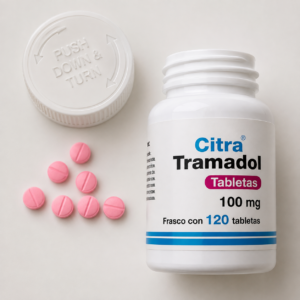
Tramadol is a centrally-acting synthetic opioid analgesic used to manage moderate to moderately severe pain. It is available in immediate-release and extended-release tablet forms, with 100 mg being a common strength (often used in extended-release formulations or higher-need immediate-release prescribing).
Composition
Each tablet typically contains 100 mg of Tramadol Hydrochloride as the active pharmaceutical ingredient, along with standard pharmaceutical excipients (binders, fillers, coating agents) that vary by manufacturer.
Mechanism of Action
Tramadol works through a dual mechanism:
It binds to mu-opioid receptors in the central nervous system, reducing the perception of pain.
It also inhibits the reuptake of serotonin and norepinephrine, contributing to its analgesic effect through a non-opioid pathway as well.
Indications
Used for the management of moderate to moderately severe pain in adults, such as post-surgical pain, injury-related pain, or chronic pain conditions where other analgesics are insufficient.
Common Side Effects
Nausea, vomiting, constipation
Dizziness, drowsiness
Headache
Dry mouth
Sweating
Serious Risks / Warnings
Dependence and abuse potential: Tramadol is a controlled substance in many countries due to risk of tolerance, dependence, and misuse.
Respiratory depression: Especially dangerous at high doses or when combined with other CNS depressants (alcohol, benzodiazepines, other opioids).
Seizure risk: Tramadol can lower the seizure threshold.
Serotonin syndrome: Risk increases when combined with other serotonergic drugs (e.g., SSRIs, SNRIs, triptans, MAOIs).
Not recommended in patients with uncontrolled epilepsy, or those at risk of suicide/substance abuse, without careful medical supervision.
Administration
Should only be taken exactly as prescribed by a physician, typically with or without food, and not exceeding the prescribed dose or frequency. Should not be stopped abruptly after prolonged use due to withdrawal risk.
Storage
Store at room temperature, away from moisture and light, and out of reach of children.Tramadol is a prescription opioid analgesic used to relieve moderate to moderately severe pain. It works by acting on opioid receptors in the brain and also affects serotonin and norepinephrine levels to help reduce pain signals. Common side effects include nausea, dizziness, and drowsiness. As a controlled substance with potential for dependence, it should be used strictly as prescribed by a doctor, avoiding alcohol and other sedatives, and not stopped abruptly after long-term use.


Reviews
There are no reviews yet.